A quieter hydraulic system not only conveys a higher sense of quality, but also improves the health, safety, and productivity of machine operators. This article discusses key strategies for reducing noise in hydraulic systems.
1. Pump Selection and Installation
Choose pumps designed for low noise operation. Ensure proper mounting with vibration isolators. Avoid rigid pipe connections that transmit vibration; use flexible hoses where appropriate. Maintain proper alignment between pump and motor shafts.
2. Reservoir Design
A properly sized reservoir allows air bubbles to dissipate and contaminants to settle. Include baffles to separate return and suction lines. Consider using a pressurized reservoir to prevent pump cavitation. Maintain oil level within recommended range.
3. Fluid Selection and Maintenance
Select hydraulic fluid with appropriate viscosity and anti-foaming additives. Regularly monitor and maintain fluid cleanliness (NAS 1638 Class 8 or better). Replace filters according to maintenance schedule. Control fluid temperature within optimal range (40-55°C).
4. Piping and Hosing
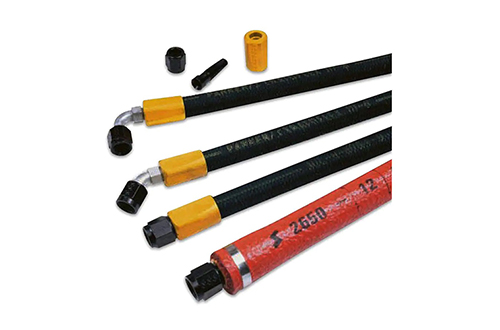
Use adequately sized pipes and hoses to minimize flow velocity and turbulence. Avoid sharp bends and sudden diameter changes. Secure pipes with proper clamps to prevent vibration. Use rubber mounting blocks where pipes pass through structures.
5. Valve Selection and Operation
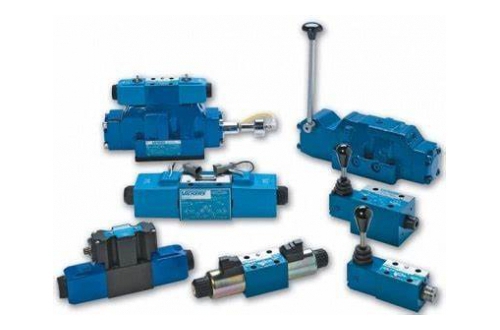
Use proportional or servo valves with smooth ramp control rather than abrupt on/off directional valves. Install accumulators to dampen pressure pulsations. Consider using quieter solenoid-operated valves with cushioned spool movement.
6. Noise Enclosures and Barriers
Install sound-dampening enclosures around power units. Use acoustic barriers between the hydraulic power unit and operator areas. Apply vibration-damping materials to panels and covers.
7. Regular Maintenance
Check and tighten all mounting bolts and connections regularly. Monitor for unusual sounds that may indicate component wear. Replace worn components before catastrophic failure occurs. Keep detailed maintenance logs to track noise level trends.
By implementing these strategies, hydraulic system noise can be significantly reduced, creating a safer and more productive working environment.

Contact:Mr.Ling
Mobile:+8618616283168
Telephone:86-021-24287380
Email:Lingqw@fuhejidian.com
Address:ROOM 106, NO.4 BUILDING, Jianghe Rd, Songjiang, Shanghai, China