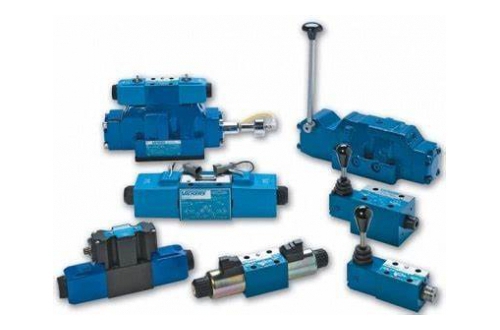
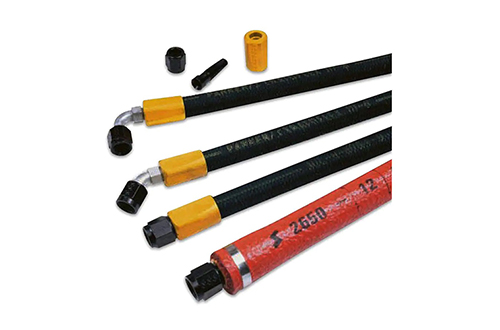
Good daily operation and maintenance habits can significantly reduce the risk of hydraulic equipment downtime and increase equipment utilization. MOOG after-sales experts share 10 practical tips to keep your servo hydraulic equipment running smoothly.
Tip 1: Maintain Higher Cleanliness Standards
Contamination is the number one cause of servo valve failure. Implement oil analysis programs and maintain fluid cleanliness at NAS 1638 Class 6 or better. Use high-efficiency filtration and change filter elements regularly.
Tip 2: Proper Fluid Selection and Conditioning
Select the correct hydraulic fluid viscosity for your operating temperature range. Monitor and control fluid temperature (ideally 40-50°C). Check for water contamination regularly and use desiccant breathers on reservoirs.
Tip 3: Regular System Flushing
After any major repair or component replacement, perform a complete system flush before reconnecting servo valves. Use flushing plates instead of servo valves during flushing operations to prevent contamination.
Tip 4: Proper Storage of Spare Components
Store spare servo valves and components in clean, dry environments. Keep protective caps and plugs in place. Rotate stored spares periodically and perform functional checks before installation.
Tip 5: Electrical Signal Integrity
Ensure proper shielding and grounding of all signal cables. Check electrical connections periodically for corrosion or looseness. Verify command signal quality using appropriate test equipment.
Tip 6: Monitor System Pressure and Flow
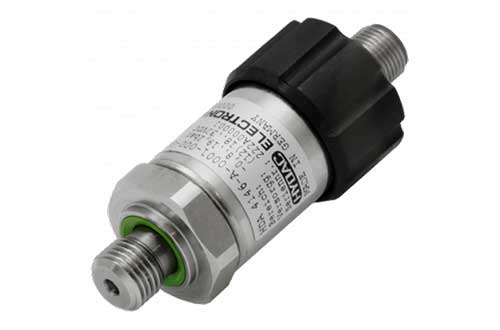
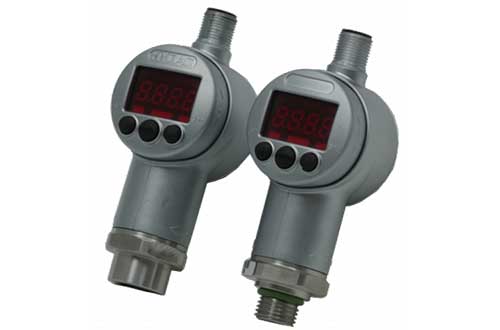
Install pressure transducers at key points in the hydraulic circuit. Monitor for unusual pressure drops or fluctuations that may indicate developing problems. Record baseline operating parameters for comparison.
Tip 7: Vibration Analysis
Use vibration monitoring equipment to detect early signs of pump or motor bearing wear. Excessive vibration can damage servo valve components and affect performance. Address vibration sources promptly.
Tip 8: Temperature Management
Ensure cooling systems are properly sized and maintained. High temperatures accelerate fluid degradation and reduce component life. Install temperature sensors and alarms for early warning.
Tip 9: Preventive Maintenance Schedule
Establish and follow a documented preventive maintenance schedule. Include regular inspections, filter changes, fluid sampling, and performance verification tests. Train operators to recognize early warning signs.
Tip 10: Partner with Experts
Work with certified servo valve repair specialists like FOCH for complex repairs and testing. Professional repair facilities have specialized test equipment and OEM-approved procedures. Regular professional servicing extends equipment life and ensures reliable performance.
Source: Adapted from MOOG After-Sales Service Recommendations

Contact:Mr.Ling
Mobile:+8618616283168
Telephone:86-021-24287380
Email:Lingqw@fuhejidian.com
Address:ROOM 106, NO.4 BUILDING, Jianghe Rd, Songjiang, Shanghai, China